
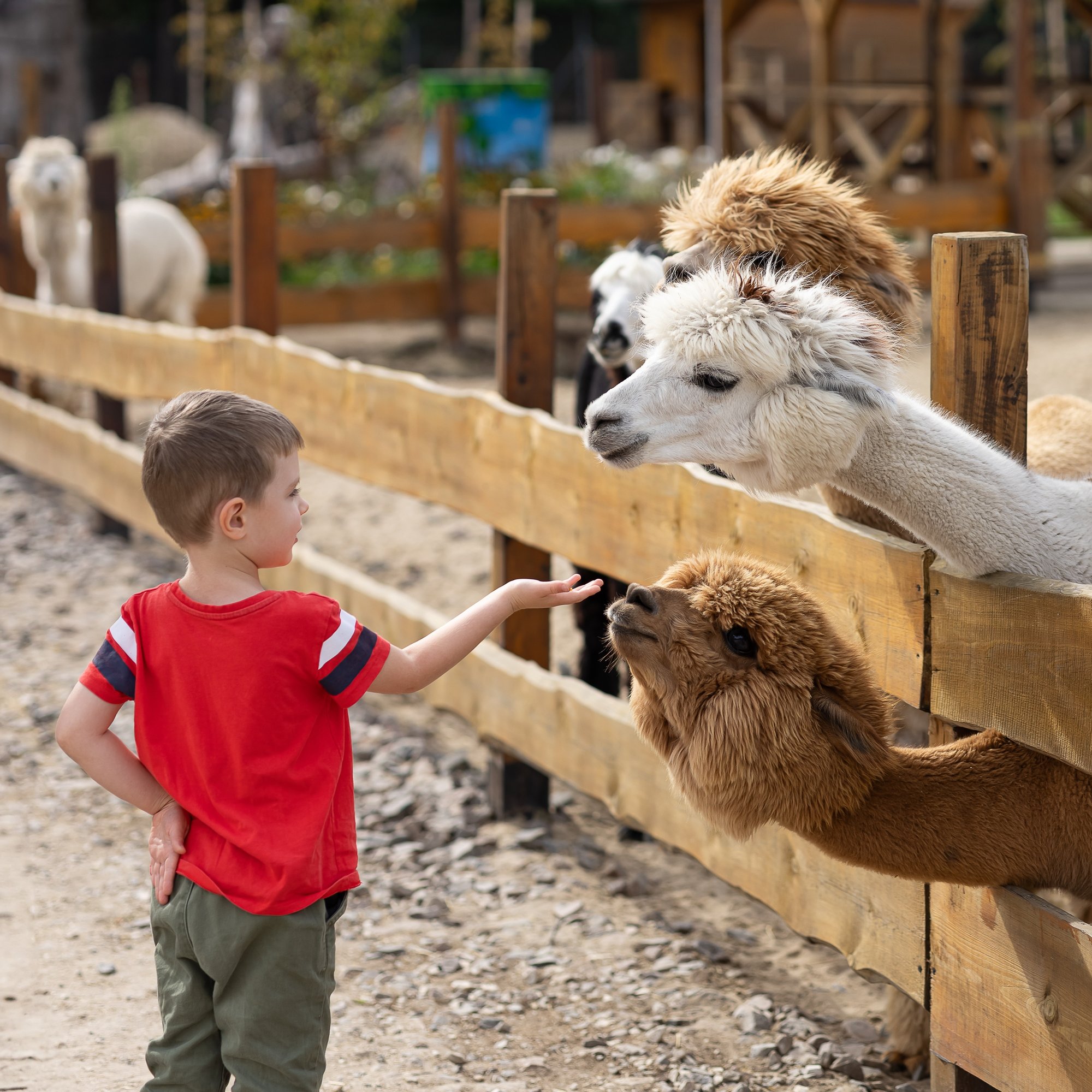
Animal experience days let you slip behind the velvet curtain of wildlife centres, handling owls, alpacas or seals alongside seasoned keepers. These hands-on escapades weave together learning, conservation and pure delight.
Discover Animal Experience Days
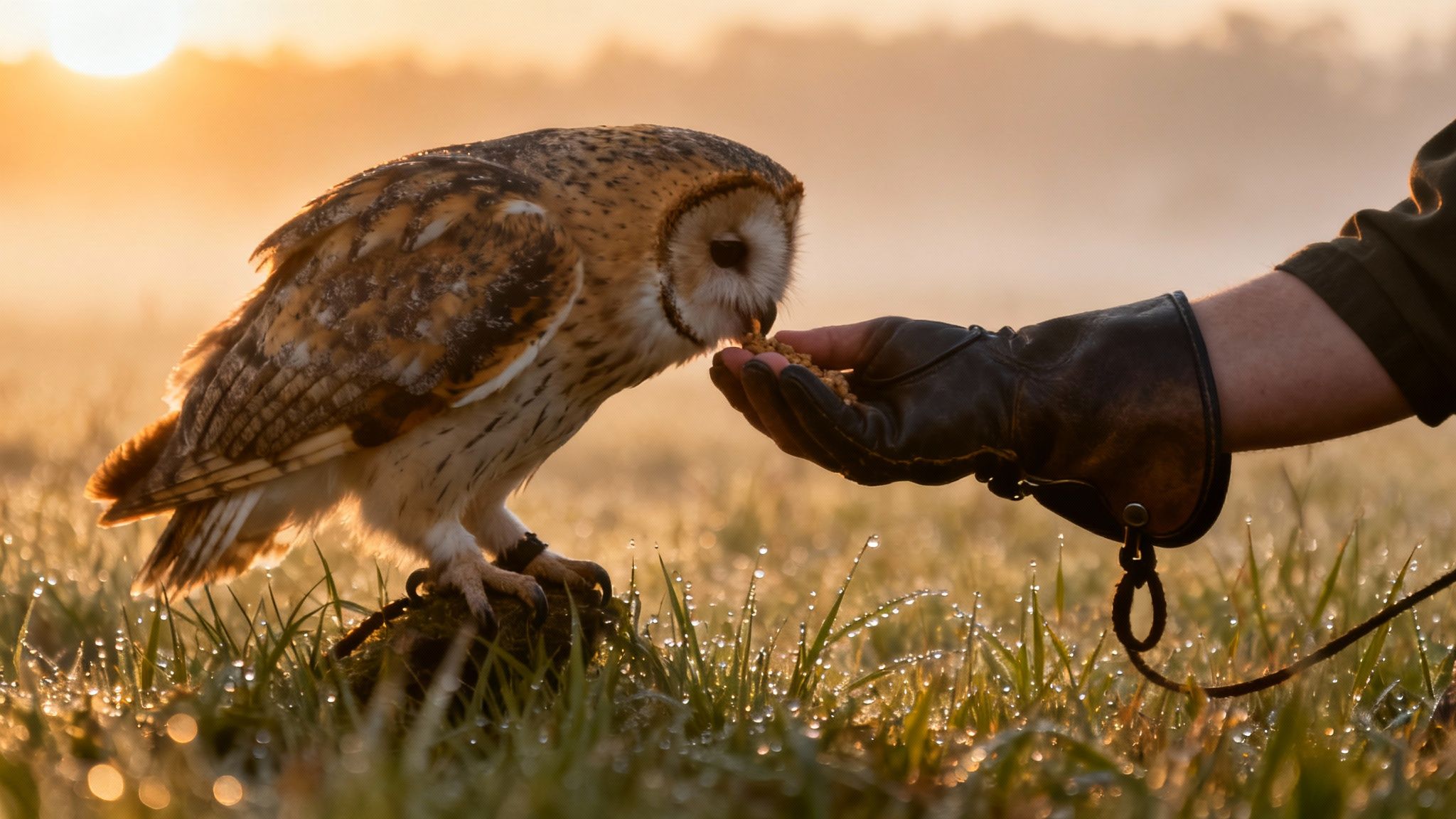
Picture this: you arrive at dawn, mist drifting across the paddock, and an owl gently takes a morsel from your gloved palm. It’s a silent ballet of trust and feather, an instant connection that feels almost magical.
By mid-morning, you’re brushing a woolly alpaca whose curious eyes follow every movement in the dewy meadow. Each interaction turns into a live lesson, where animals become the most unexpected but patient teachers.
- Immersive Learning: Gain practical insights from professional keepers.
- Conservation Impact: Support wildlife through ethical programmes.
- Unforgettable Memories: Capture unique photos and stories.
From farmyard stays to behind-the-scenes zoo tours, sea mammal meet-and-greets to bird-of-prey workshops, these adventures come in all shapes and sizes.
In Great Britain, paid animal encounters sit alongside a regulated zoo and wildlife attractions sector that together generated nearly £1.0 billion in visitor revenue in 2025, illustrating the economic scale underpinning paid close-contact wildlife experiences in the UK.
Learn more about this sector's scale from IBISWorld.
Check out our full animal experience days guide at Activity Superstore.
"These close encounters spark empathy and curiosity in people of all ages." – Wildlife Keeper
Why These Days Resonate
Whether you’re hunting for a family adventure or a gift that strays far from the ordinary, an animal experience day promises stories worth retelling. Children’s eyes light up, solo travellers find calm among gentle giants, and wildlife lovers discover new reasons to care.
These sessions dive deeper than any typical zoo visit, pairing hands-on moments with conservation talks and unseen backstage tours. You’ll leave with more than a photograph—you’ll carry a fresh perspective on animal behaviour.
- Perfect Gift Idea: Create memories for birthdays, anniversaries or special occasions.
- Expert Guidance: Trained keepers ensure safe, informative sessions throughout the day.
Ready for an unforgettable day out? Join the wildlife guardianship movement and make your next outing one to remember.
Why Animal Experience Days Matter
Think of a standard zoo trip as sitting in the stalls, watching wildlife perform. An animal experience day? You’ve slipped backstage, met the performers, and joined the crew.
These outings blend education, conservation and a healthy dose of fun. Instead of observing from afar, you’re elbow-deep in real caretaking tasks.
- Hands-On Engagement: Feed, groom or enrich habitats under expert supervision.
- Ethical Frameworks: Every venue follows strict welfare standards and licensing.
- Conservation Impact: Ticket revenue helps fund research, rescue missions and habitat protection.
In this sense, every brush stroke and feeding session is like watering a shared garden. You see how small actions—like checking a habitat’s temperature or arranging toys for an otter—nurture both the animal’s well-being and your own appreciation of nature.
Participants quickly pick up the routines professionals follow. Brushing an alpaca’s fleece, for example, feels like tending a rosebush—gentle, methodical and infinitely rewarding.
- Behind-the-scenes tours peppered with keeper insights.
- Small groups for genuine, one-to-one time.
- Partnerships with charities to ensure every penny supports wider conservation.
As visitors share their thoughts, providers tweak and improve the day’s flow. The result? More ethical, engaging experiences that keep both animals and guests happy.
Ethical Standards And Transparency
Every reputable provider must satisfy rigorous licensing under the Zoo Licensing Act and follow health and welfare regulations. In practice, these rules act like an underground irrigation system—unseen, but vital for keeping the entire operation flourishing.
Scientific transparency in Great Britain has grown too. Institutions now publish detailed information on animal use and encounters, responding to public concern and shaping better policies. You can explore these insights on Animal Free Research UK.
“Transparency in wildlife programmes nurtures trust and promotes higher care standards.”
Designing Safe Interactions
Safety and comfort come first. Think of the protocols as carefully laid stepping-stones in a garden path, guiding every guest and animal safely through the day.
- Enclosures feature quiet retreat areas where animals can withdraw.
- Visitor briefings cover hygiene, age limits and respectful behaviour.
- Emergency plans and first-aid gear stand ready at all times.
Above all, these stewarded moments spark genuine empathy. When curiosity blooms into care, visitors leave with a sense of responsibility that extends far beyond one afternoon. By choosing licensed providers, you’re not only enjoying a memorable experience—you’re supporting conservation and top-tier animal welfare across the UK.
Compare Types Of Animal Experience Days
Across the UK, animal experience days cover every corner, from rural farmyards to coastal coves. They cater to budgets both modest and lavish, and each one offers a unique insight into wildlife care and conservation.
Imagine slipping behind the scenes at your local zoo, hand-rearing penguins at first light. Or picture an early-morning alpaca grooming session, golden light painting the fields as you brush their soft coats.
Here’s a quick glance at the main categories:
- Zoo Keeper Sessions: Hands-on feeding tours led by professionals, where you learn everyday routines and animal diets.
- Farm Stays: Rustic getaways that blend light chores—think alpaca grooming and goat milking—with cosy evening talks by the fire.
- Bird Of Prey Workshops: Up-close handling of owls, hawks and falcons as you master basic falconry techniques.
- Marine Mammal Visits: From playful seal swims to otter feeding on rocky shores, these adventures bring you face-to-face with coastal wildlife.
- Conservation Volunteering: Roll up your sleeves for habitat restoration, bird surveys or species monitoring over half-day sessions or week-long placements.
- Behind The Scenes Tours: Follow keepers through off-limit areas to see how animal care happens out of public view.
Comparison Of Animal Experience Day Types
Below is a snapshot that helps you weigh duration, cost and the perfect audience for each encounter.
| Experience Type | Typical Duration | Price Range | Ideal For |
|---|---|---|---|
| Zoo Keeper Sessions | 2–3 hours | £50–£120 | Families and thrill-seekers |
| Farm Stays | Half day to 2 days | £70–£200 | Young children and novices |
| Bird Of Prey Workshops | 1–2 hours | £60–£150 | Adults and photography fans |
| Marine Mammal Visits | 2 hours | £100–£250 | Adventure lovers and groups |
| Conservation Volunteering | Half day to week | £30–£500 | Dedicated volunteers |
| Behind The Scenes Tours | 1 hour | £40–£100 | Curious guests and teenagers |
Use this table to pinpoint what suits your group’s time frame, budget or level of curiosity.
Farm stays are sociable and relaxed but expect muddy boots. Zoo sessions satisfy hands-on fans, though strict hygiene rules apply. Bird workshops pack skill into a short slot, whereas marine visits often come at a higher price point but deliver unforgettable swims.
- If you crave adrenaline, seal swims and bat-tracking at dusk are your go-to picks.
- Families with little ones often find half-day farm stays or brief zoo tours just right.
- Aspiring volunteers should lean towards longer conservation placements for real impact.
- Photographers will adore bird-of-prey encounters during the golden hour.
Matching Your Interests
Budget is a major driver. For example, a half-day farm stay might set you back under £70, while high-end marine sessions can top £200.
Time availability matters too. A quick zoo tour slots neatly into a morning, whereas a week of conservation work demands a serious commitment.
"Choosing the right session is like picking the perfect recipe—you need the right ingredients for lasting satisfaction."
Skill requirements vary. Most experiences welcome beginners, but flying a hawk safely takes a steadier grip, and swimming with seals means getting in the water. Always check age limits—under-16s often need a grown-up companion—and provider guidelines before you book.
For a sweeter twist, explore our full-day beekeeping experience at More Bees Please. You’ll help harvest honey and learn bee biology straight from the hive.
By lining up your preferences—duration, cost and activity level—you can craft an animal experience day that hits all the right notes.
- Confirm what’s included (accommodation, kit hire) and spot any hidden extras like parking fees.
- Double-check cancellation policies and seasonal availability to avoid surprises on the big day.
Prepare for Your Animal Encounter
Aim to arrive 10 minutes before your slot begins. This gives you time to soak up the atmosphere and see keepers carrying out vital habitat checks.
When you step in, the team will welcome you and run through a quick safety chat covering hygiene rules and how to behave around the animals.
- Sturdy Boots protect you from muddy paddocks and surprise puddles
- Waterproof Layers keep you cosy during damp, coastal sessions
- Spare Socks are a lifesaver if your feet get soggy
Clothing And Footwear Advice
Muddy farm days call for boots with solid grip and ankle support. Think of them as your best friends in the mud.
I once watched a family stay snug all morning simply because they’d chosen the right footwear. Another group, however, learned the hard way when they mistook shallow puddles for solid ground—and got soaked.
Arriving early lets you observe keepers completing vital habitat checks before guests arrive.
Understand The Daily Schedule
Almost every encounter is split into three bite-sized blocks to fit animal feeding and training patterns:
- Welcome Briefing & Gear Check (15 minutes)
- Hands-On Encounter (15–30 minutes)
- Observation & Q&A (10–20 minutes)
For example, a bird-of-prey session kicks off with a safety demo, moves on to your turn flying a hawk, then wraps up with a keeper Q&A. It’s a neat rhythm that keeps everyone—from you to the animals—happy and engaged.
Visitor research shows 2 in 3 adults head to green spaces regularly. No wonder many providers design short, sharp 15–30 minute experiences to fit modern schedules. Learn more about consumer behaviour insights on GOV.UK.
Refer to the infographic below for budget-based animal experience day options.
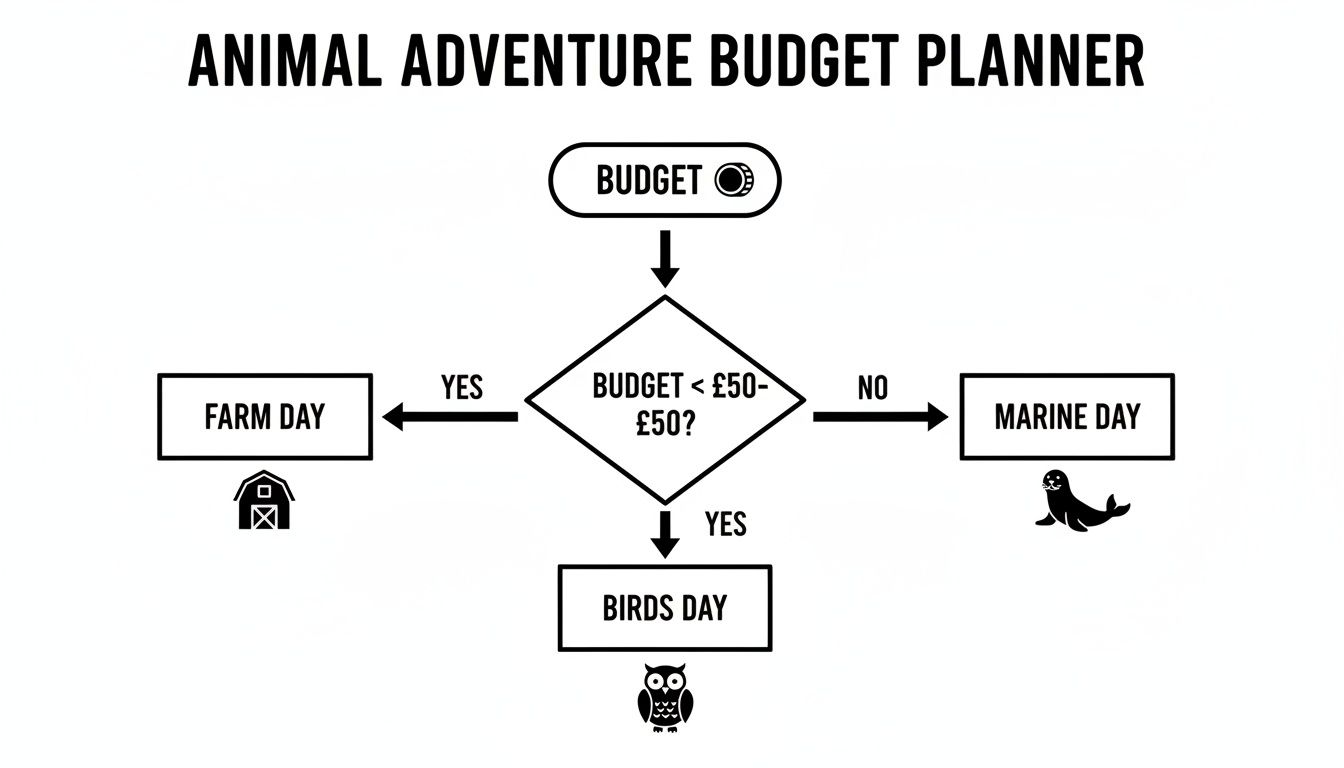
Below is a quick guide to match your budget with the right adventure:
| Budget | Perfect For |
|---|---|
| Under £50 | Farm stays |
| £50–100 | Bird-of-prey workshops |
| Over £100 | Marine encounters |
Pack Essentials And Respectful Behaviour
A few extras make your day smoother:
- Lightweight gloves for grooming tasks
- Suncream if you’re outdoors all day
- A refillable water bottle to stay hydrated
Remember, quiet steps and following keeper instructions create better moments for you and the animals.
Final Checks And Etiquette
Before you head home, give your boots a wipe and return any borrowed kit. A few simple gestures go a long way:
- Thank keepers for their time and expertise
- Keep voices down around shy species
- Use the bins provided for any rubbish
That little bit of courtesy helps keep habitats spotless and staff smiling.
Post Encounter Reflection
Once you’ve signed off, grab a notebook or your phone and jot down what surprised you most about animal care and behaviour.
- List any follow-up questions for your next visit
- Reflect on how this experience changed your view of conservation
Finally, share responsibly—post your best snaps, tag the venue, and help spread the word about wildlife protection. Your voice can reach far beyond the paddock.
Booking Tips For Animal Experience Days
Booking an animal experience day can feel like navigating a maze of options. One moment you’re excited about cuddling alpacas, the next you’re squinting at voucher fine print wondering what you’ve signed up for. A few simple checks will save you stress, money, and disappointment down the line.
Direct Vs Gift Site Reservations
Booking directly with a wildlife centre often means you’re dealing with the people who know the animals best. You get real-time availability, clear cancellation terms, and personalised support.
On the other hand, third-party gift sites bundle dozens of venues under one voucher, giving you ultimate choice if you’re torn between farm stays and zoo encounters.
- Booking Direct: Instant confirmation, direct communication, straightforward amendments.
- Third-Party Gift Site: Mega Choice options, seasonal discounts, but watch out for stricter expiry rules.
Ultimately, weigh simplicity against selection to find the right path for your plans.
Reading Voucher Terms
It might sound dull, but reading every line of voucher terms can prevent last-minute headaches. Look out for hidden blackout dates, fees for changes, and exact expiry moments.
- Cancellation Notice: Aim for at least a 48-hour window to cancel without penalty.
- Blackout Dates: School holidays and bank holidays often come with restrictions—spot them early.
- Expiry Rules: Confirm if your voucher runs out after 12 months or sooner, and whether there’s a grace period.
“Flexible vouchers and prompt online support saved my rainy-day booking when my zoo session was called off at the last minute,” a recent guest recalled.
Real stories like this prove why every clause matters before you hit ‘Buy’.
Verifying Provider Credentials
Beyond the fine print, you need confidence in the venue itself. After all, it’s about animal welfare as much as your own enjoyment.
- Review Recent Feedback: Look for comments on guide expertise and animal care.
- Check Official Licences: A centre licensed under the Zoo Licensing Act meets strict welfare standards.
- Validate Support Channels: Ensure there’s a clear phone number or email for last-minute queries.
Doing this homework means your encounter will focus on magical moments — not unexpected hiccups.
Pre Purchase Checklist
Before you finalise any booking, run through this quick checklist:
- Provider accreditation confirmed and licence visible
- Voucher expiry date and any grace period
- Cancellation notice period and refund policy
- Peak-season blackout dates checked against your calendar
- Price inclusions such as venue fees or parking charges
- Reliable customer support channels and contact details
With these points ticked off, you’re ready for a smooth, memorable day among some of nature’s most fascinating creatures.
Book early to secure your preferred date and tap into promotions. A little planning now goes a long way towards an unforgettable animal adventure!
Best Regional Animal Experience Days In The UK
Imagine swapping the city skyline for grazing fields and crashing waves, trading screens for feathered friends and curious creatures. Whether you’re travelling solo or with family, these encounters across Britain bring wildlife within arm’s reach. From morning farm chores to sunset seal swims, every moment feels freshly discovered.
Your adventure begins just outside London with an English farm stay. Trains from Euston station whisk you there in under 2 hours, and cosy B&Bs promise the gentle chorus of bleats at dawn. By evening, you might find yourself sampling farmhouse cheese washed down with a pint of local ale.
Unique Highlights By Region
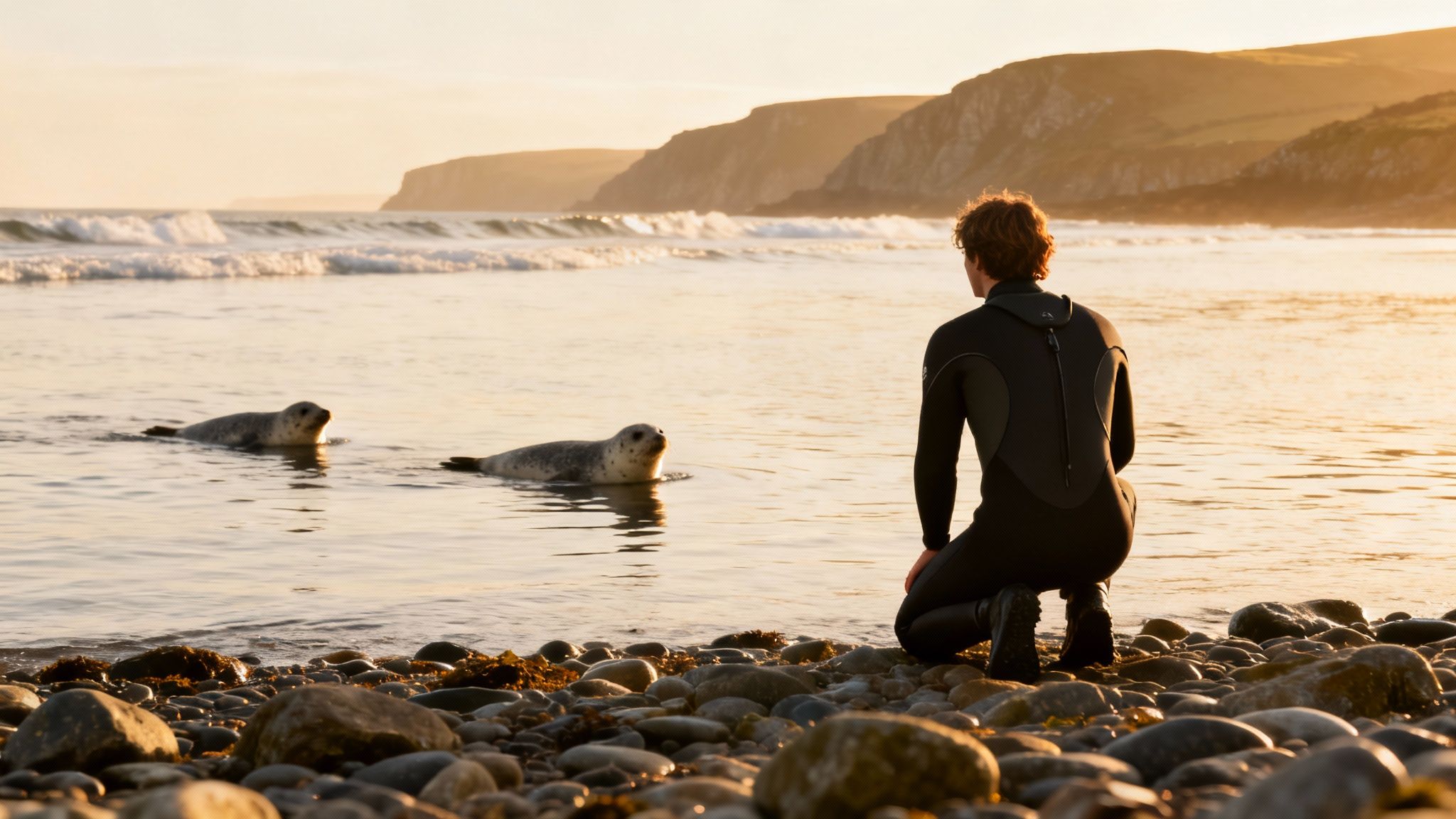
In Wales, don a wetsuit for a seal swim off Pembrokeshire’s rugged cliffs. Local skippers guide you to sheltered coves where inquisitive pups pop up to inspect snorkellers. Afterwards, curl up in a beachside B&B and savour mussel chowder beside a roaring hearth.
Scotland’s Highlands deliver wildlife drives through Speyside estates. Picture tracking red deer stags during the October rut, then scanning skies for a glint of golden eagle above misty lochs. Most lodges serve a hearty oat porridge at breakfast, fuelling your day’s explorations.
Northern Ireland’s Causeway Coast invites you to learn falconry against a backdrop of basalt columns. Hawks and owls wheel overhead as expert falconers share centuries-old techniques. Falconry sessions pair naturally with cliff-top hikes, and you can toast your day with an Irish stout at a nearby pub.
- England Farm Stay: Alpaca Grooming And Sheepdog Demonstrations
- Wales Seal Swim: Snorkel Sessions And Beachside B&Bs
- Scotland Wildlife Drive: Deer Rut Tours And Eagle Spotting
- Northern Ireland Falconry: Cliffside Hawk Displays And Cosy Inns
Sample Multi-Day Itineraries
Chart a 3-day road trip weaving through four distinct regions:
- Day 1 – Morning alpaca grooming and sheepdog demos near London. Afternoon train to Cardiff.
- Day 2 – Pembrokeshire seal swim and coastal hike, followed by a seafood supper.
- Day 3 – Early Highlands wildlife drive, spotting deer at dawn. Return via Edinburgh, or switch to a bird-of-prey display by Loch Ness.
Flexible rail passes and charming country inns take the stress out of hopping between regions.
If you’re in the capital, check out our curated London experience days for a quick leap into rural rhythms without the long commute.
Seasonal Quirks To Consider
- Autumn Harvest: Kent farm stays host apple picking and cider pressing at their busiest.
- Spring Migration: Welsh cliffs teem with puffins in April and May.
- Summer Bloom: Heather in full blossom across the Highlands paints the hills purple.
Tying your visit to a local festival brings another layer of culture to your wildlife wanderings.
Proximity And Booking Tips
- Choose venues within 2 hours of major rail hubs to maximise time with animals.
- Many providers partner with nearby B&Bs or campsites—book early for the best rooms.
- Opt for small groups to enjoy one-to-one guidance on the day.
- Review cancellation policies; most are flexible if the weather turns.
- Ask about gear hire—wetsuits, wellies and boots are often available onsite.
- Pack layers and waterproofs; UK skies shift from sunshine to showers in moments.
With thoughtful planning, each leg of your animal experience day becomes a seamless chapter in your UK adventure, leaving you free to soak up every wild moment.
Animal Experience Days FAQ
Stepping into the world of animal encounters can feel exciting and a little nerve-wracking. These FAQs will guide you through the practical bits—each answer points back to the detailed sections earlier in this guide.
What Should I Wear To A Wildlife Encounter?
Dress for the outdoors. Sturdy boots will keep you steady on uneven ground, while a waterproof jacket and breathable layers mean you stay comfortable from farmyard to shoreline. If you’re getting hands-on with grooming, lightweight gloves protect both your skin and the animals’.
Are These Adventures Suitable For Children Under 10?
Many providers welcome youngsters from 5 or 8 years old, though under-10s usually need an accompanying adult. Booking details always spell out age limits—double-check them so the family outing goes smoothly.
Packing Essentials
- Good-grip boots for uneven terrain
- Waterproof layers for coastal and rainy days
- Spare socks to stay comfortable
- Lightweight gloves for grooming tasks
- Suncream for outdoor sessions
- Refillable water bottle to stay hydrated
How Far In Advance Should I Book To Secure A Spot?
Animal experiences are popular, especially in school holidays and at weekends. Aim to book 4–6 weeks ahead for the best choice of dates—and don’t forget to look out for early-bird offers.
Useful Booking Advice
Can Providers Accommodate Mobility Or Dietary Needs?
Absolutely. Many centres tailor sessions for guests who use mobility aids or follow special diets. You’ll find ramps, clear pathways and bespoke meal options all designed to make your day hassle-free.
“I informed my host about my gluten allergy and they provided a safe snack box,” says a recent guest.
- Contact the provider as soon as you book
- Outline any mobility or dietary requirements
- Confirm arrangements by email or phone
| Requirement | Recommended Action |
|---|---|
| Wheelchair Access | Ask for ramp locations and reserved spots |
| Gluten Free Snacks | Request menu adjustments in advance |
| Visual Impairment | Inquire about tactile interpretation tools |
For additional logistics and safety guidelines, see the Prepare For Your Animal Encounter and Booking Tips sections to plan every detail before you arrive.
Enjoy peace of mind as you plan your adventure.
Ready to find your perfect animal adventure? Visit Activity Superstore